
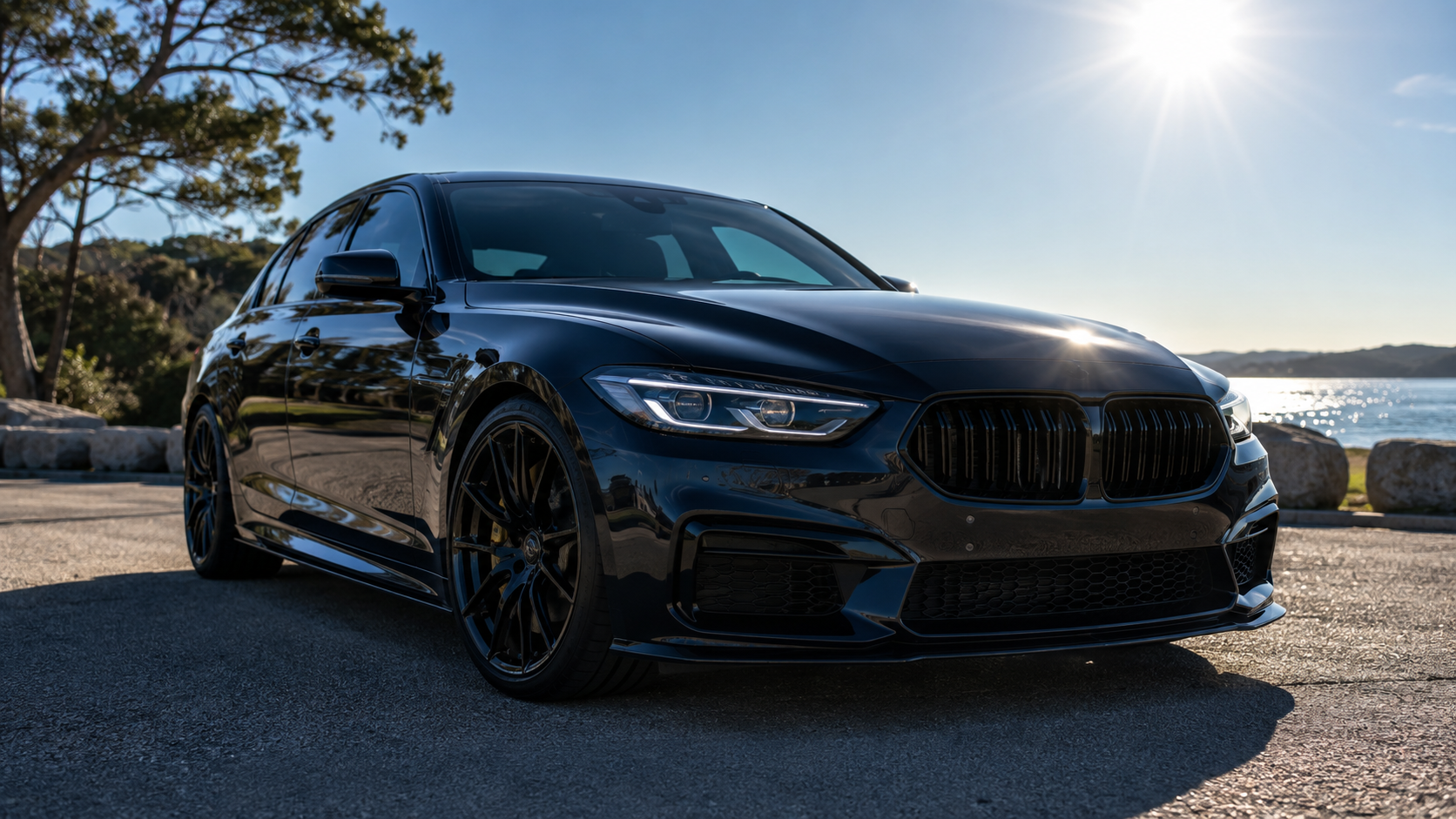
Australia is one of the harshest environments for a car’s paintwork.
The combination of intense UV exposure, hot weather, and long sunny days can gradually damage the surface of your vehicle. Over time, paint that once looked glossy and deep can start to appear dull, chalky, faded, or hazy.
If you have noticed your car’s paint losing its shine, UV damage may be part of the reason.
Here’s what happens, what signs to look for, and how to help prevent it.
What UV Radiation Does to Car Paint
Modern car paint is usually made up of multiple layers, including primer, colour coat, and a clear coat on top.
The clear coat is the outer protective layer. It gives the paint its gloss and helps protect the colour underneath. Because it sits on the surface, it is also the layer that takes most of the punishment from the sun.
Over time, UV radiation can break down the clear coat through a process called oxidation.
When this happens, the paint can start to:
- Lose gloss and shine
- Look dull or chalky
- Appear faded or hazy
- Feel rougher to the touch
- Become more vulnerable to peeling or flaking if left untreated
Darker colours such as black, dark blue, and dark red often show UV damage more visibly. Swirl marks, fading, and dullness tend to stand out more on darker paint.
Lighter colours can also suffer UV damage, but the signs may appear differently. Instead of looking obviously faded, the paint may become chalky, flat, or yellowed over time.
What Heat Does on Top of That
Heat makes the problem worse.
When a car sits in direct sunlight, the paint surface can become extremely hot. Repeated heating and cooling can cause the paint layers and clear coat to expand and contract over time.
This ongoing stress can contribute to:
- Clear coat fatigue
- Fine cracking
- Loss of gloss
- Faster oxidation
- Faster breakdown of paint protection products
Heat also affects the rest of the car.
Dashboards can crack, rubber seals can dry out, plastics can fade, and interior materials can degrade faster when the vehicle is regularly parked in full sun.
For Australian car owners, sun and heat protection is not just about appearance. It is part of maintaining the vehicle properly.
Signs Your Paint May Already Have UV Damage
UV damage can start subtly.
At first, your car may simply look less glossy after washing. Eventually, the paint may become noticeably faded or rough.
Common signs include:
- Dull or chalky paint that does not improve after washing
- Faded colour, especially on the bonnet, roof, and boot
- Rough or gritty paint texture
- Milky or hazy-looking clear coat
- Peeling, bubbling, or flaking clear coat in advanced cases
- Loss of depth and reflection in the paint
Horizontal panels usually show damage first because they receive the most direct sunlight.
The bonnet, roof, and boot lid are often the first areas to lose gloss.
How to Protect Your Paint from UV Damage
The good news is that UV damage can often be slowed or prevented with the right habits and protection.
1. Park in the Shade or Undercover When Possible
The simplest way to protect your paint is to reduce direct sun exposure.
Parking in a garage, carport, shaded area, or undercover parking space can make a big difference over time.
If covered parking is not available, a quality car cover can help protect the paint from UV exposure, bird droppings, tree sap, dust, and other contaminants.
Just make sure the car is clean before covering it. Putting a cover over a dirty car can drag dust and grit across the paint.
2. Apply a Quality Paint Protection Product
Paint protection products add a sacrificial layer over the clear coat.
Instead of the sun, dirt, and contaminants attacking your paint directly, they first affect the protective layer.
Common options include:
- Wax — gives a glossy finish and short-term protection, but needs regular reapplication.
- Paint sealant — a synthetic protection product that usually lasts longer than wax.
- Ceramic coating — a more durable protective layer that can help protect against UV exposure, chemical staining, and environmental contaminants when properly maintained.
Wax and sealants are useful, but they do not last forever.
Ceramic coatings generally offer stronger and longer-lasting protection, which is why many owners choose them for newer cars, darker paint, or vehicles parked outdoors.
3. Wash Regularly and Correctly
Contaminants sitting on the paint can make sun damage worse.
Bird droppings, tree sap, road grime, industrial fallout, and dust can all damage or stain the paint if left for too long.
Regular washing helps remove these contaminants before they have time to bake into the surface.
For best results:
- Use a pH-neutral car shampoo
- Use a clean microfibre wash mitt
- Avoid dishwashing liquid
- Avoid dirty sponges or old towels
- Wash out of direct sunlight where possible
- Dry the car with a clean microfibre drying towel
The goal is to clean the car without adding scratches or stripping away protection unnecessarily.
4. Get a Professional Detail at Least Once a Year
A professional detailer can do more than simply wash the car.
They can assess the condition of your paint, remove bonded contaminants, restore gloss where possible, and apply suitable protection.
A proper detail may include:
- Safe hand washing
- Paint decontamination
- Clay bar treatment
- Paint inspection
- Machine polishing or paint correction if needed
- Wax, sealant, or ceramic coating application
If UV damage has already started, paint correction may help restore gloss and depth before a protective product is applied.
Once the paint is corrected, protection becomes even more important. Without it, the same damage can return.
Living in a Hot Climate: The Bottom Line
For Australian car owners, UV and heat protection should be treated as regular maintenance.
Ignoring paint protection can lead to dull paint, fading, clear coat damage, and reduced vehicle presentation over time.
Simple habits such as parking undercover, washing correctly, and applying proper protection can make a noticeable difference.
If your car is already looking dull, faded, or rough, a professional detailer can inspect the paint and recommend the right next step.
CarConex connects car owners with trusted local detailers who can help with paint correction, ceramic coating, and paint protection.
Post your request through the app, compare responses from professionals in your area, and choose the right detailer with confidence.