
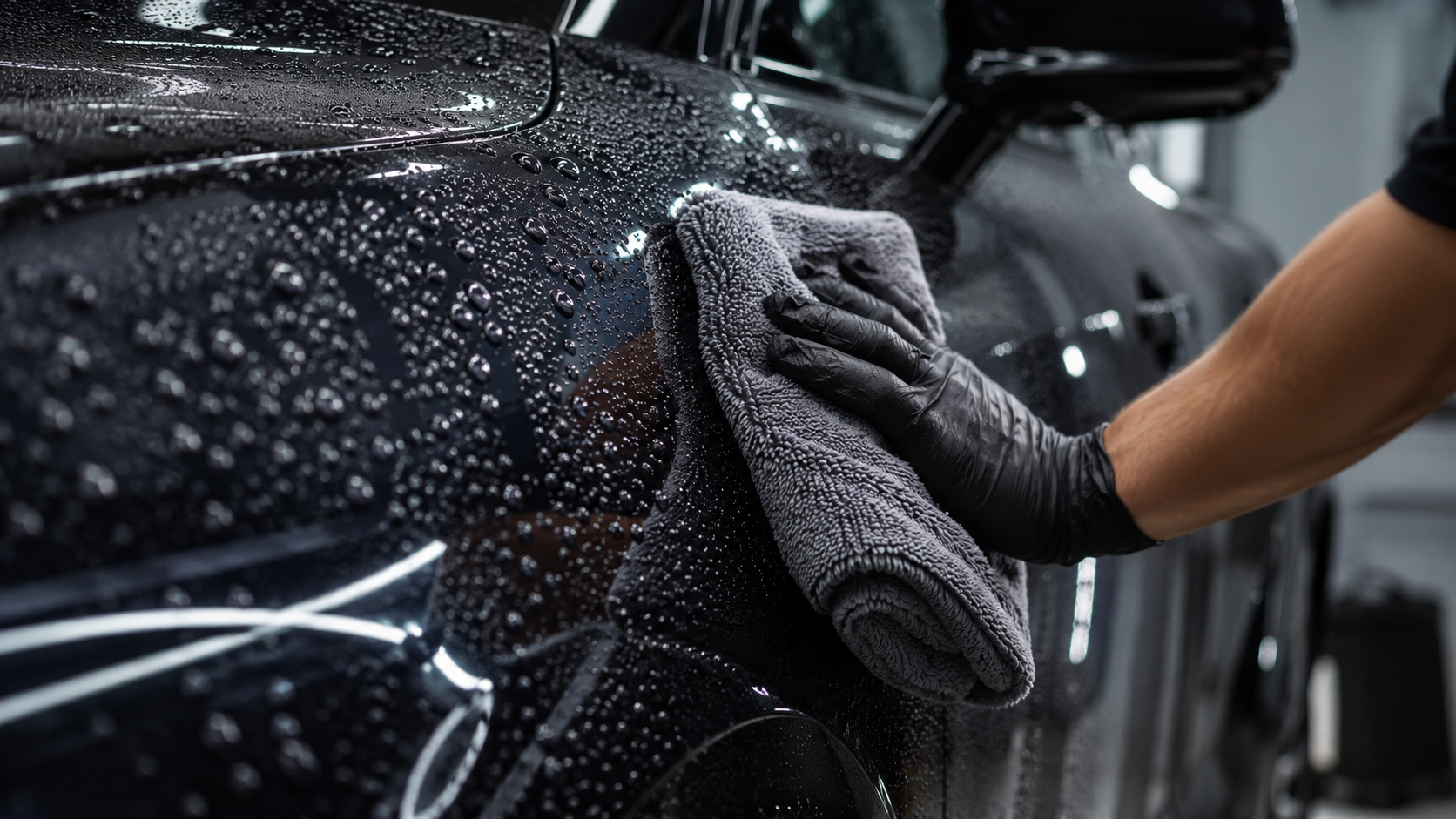
A ceramic coating is one of the best investments you can make in your car’s paint, but it’s not maintenance free. Many car owners assume that once a coating is applied, the car takes care of itself. The reality is that a ceramic coating requires correct care to perform at its best and last its full lifespan.
Here’s exactly what to do, and what to avoid, to get the most out of your ceramic coating.
Understanding What a Ceramic Coating Does and Doesn’t Do
A ceramic coating bonds chemically to your clear coat and cures into a hard, hydrophobic layer. It makes the surface significantly easier to clean, more resistant to chemical contamination, and more protective against UV. What it doesn’t do is make the car immune to scratches, water spots, or contamination. It just makes all of those things less damaging and easier to deal with.
Thinking of a ceramic coating as a shield that needs to be kept in good condition, rather than a set and forget solution, is the right mindset for getting the most out of it.
The First 30 Days: The Curing Period
After a ceramic coating is applied, it enters a curing period during which the chemical bonds are forming and hardening. During this time, typically the first two to four weeks depending on the product, there are important restrictions:
Don’t wash the car for at least 7 days after application: longer in cold or humid conditions. Your installer will advise the specific period for your product.
Avoid water exposure: including rain, sprinklers, and dew if possible during the first week
Don’t apply any wax, sealant, or other product over the coating during the curing period
Avoid parking under trees where sap or bird droppings might land: if they do, remove them immediately and carefully
Avoid high pressure washing during the first month
Once the coating has fully cured, it’s significantly more robust and the maintenance routine can begin.
How to Wash a Ceramic Coated Car Correctly
Use a pH Neutral Shampoo
Always use a pH neutral car wash shampoo on a ceramic coating. Acidic or alkaline products, including many all purpose cleaners and some wheel cleaners, can degrade the coating over time. There are shampoos specifically formulated to be ceramic coating safe. These are a good choice for regular maintenance.
The Two Bucket Method
Even with a ceramic coating, correct washing technique matters. The two bucket method, one bucket of soapy water and one for rinsing the mitt, minimises the risk of introducing swirl marks during the wash. The coating makes the surface more slippery and easier to wash safely, but it doesn’t make contact scratching impossible.
Rinse Thoroughly First
A good pre rinse before washing removes the bulk of loose contamination from the surface. The hydrophobic properties of the coating mean water sheets off the surface effectively, taking a lot of dirt with it on the rinse. Take advantage of this.
Dry Properly
After washing, dry the car with a clean, plush microfibre drying towel or a car dryer. The coating’s hydrophobic surface means water beads aggressively, but water spots can still form if the car is left to air dry, particularly in hard water areas. Dry promptly after every wash.
Top Up Products: Ceramic Spray Boosters
Most ceramic coating manufacturers produce a complementary spray booster or top up product, sometimes called a SiO2 spray, ceramic spray, or coating maintenance spray. These are applied after washing and drying to refresh the hydrophobic properties and add a small amount of additional protection.
Using a ceramic booster spray every 4 to 8 weeks, or after every few washes, extends the life of the coating and maintains its performance between professional inspections. They’re easy to apply. Spray on a clean, dry panel and buff off with a microfibre. They also make a noticeable difference to how the coating performs over time.
What to Avoid with a Ceramic Coating
Automatic car washes with brushes or cloth strips: these introduce swirl marks regardless of coating. Touchless automatic washes are less damaging but still not ideal for coated cars.
Wax or traditional paint sealant applied over the coating: these don’t bond properly to the ceramic surface and can actually interfere with the coating’s hydrophobic properties. Use ceramic specific products only.
Abrasive polishes or compounds: these will remove or degrade the coating. If paint correction is needed after a coating is applied, the coating in that area will need to be reapplied.
Acidic wheel cleaners splashing onto painted surfaces: some are highly acidic and can etch the coating over time.
Leaving bird droppings or tree sap on the surface: the coating provides more resistance and more removal time than bare paint, but these should still be removed promptly.
Annual Inspection and Recoating
Most professional ceramic coatings benefit from an annual inspection by the installing detailer. They can assess the coating’s condition, perform a decontamination wash to remove any bonded contamination, and apply additional coating layers or a maintenance product as needed.
When a coating reaches the end of its rated lifespan, typically 2 to 5 years depending on the product, the process involves a light paint correction and reapplication. This is significantly less work than the original application on a well maintained car.
If you have a ceramic coating that needs inspection or a top up service, CarConex connects you with trusted local detailers who work with ceramic coatings. Post your request through the app to find local expertise.